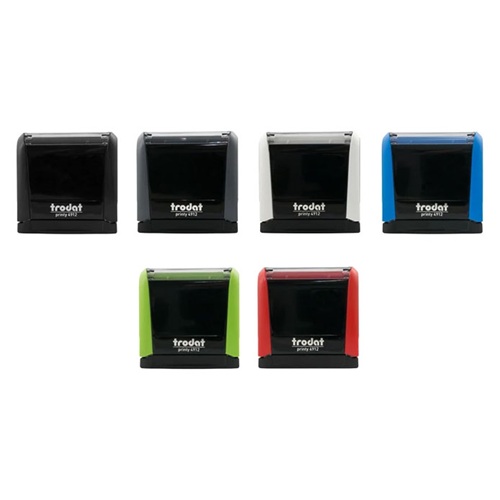
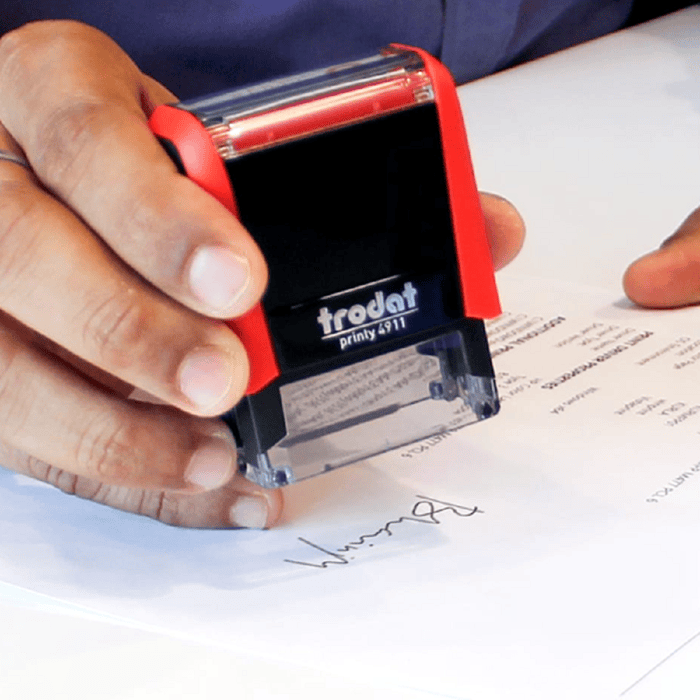
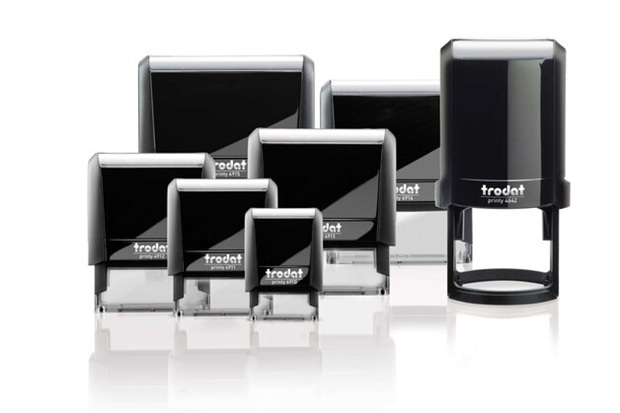
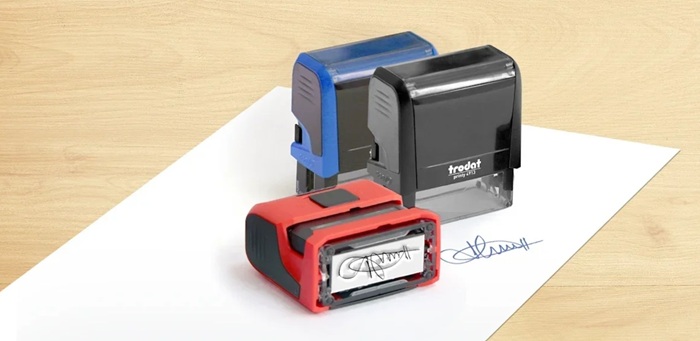
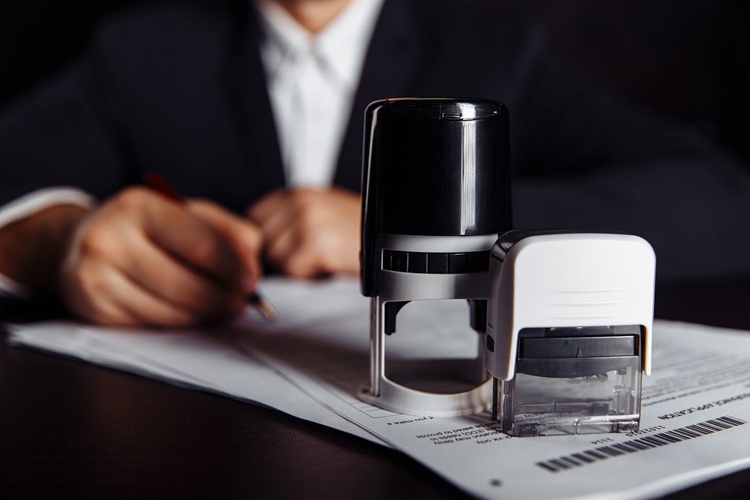
A self inking signature stamp is a useful tool for people who need to sign documents frequently while travelling. It contains an internal ink pad that automatically applies ink to the stamp each time it is pressed onto paper. Because of this, you do not have to carry a separate ink pad whenever you need to use your signature stamp.
However, choosing the right stamp for travel requires you to consider several factors. The size, ink quality, durability, and security of the stamp can affect how convenient it is to use. Therefore, let us look at the important things you must consider before purchasing a self inking signature stamp for travel.
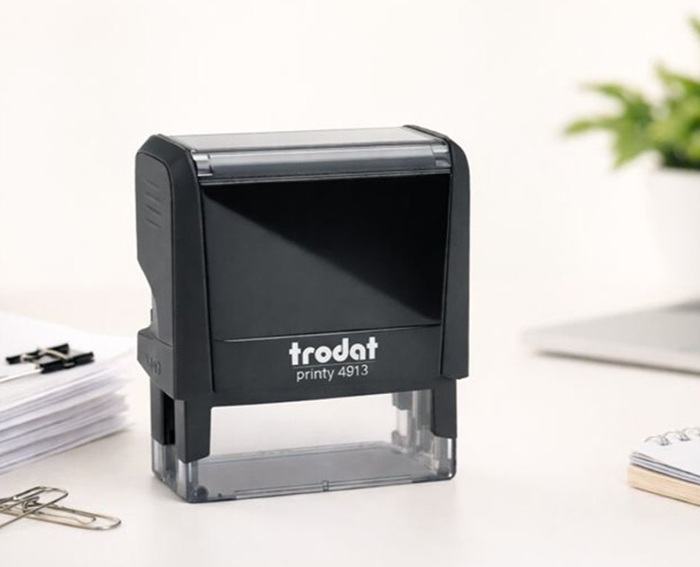
What Should You Consider When Selecting a Self Inking Signature Stamp for Travel?
Size and Portability
The first thing you must consider is the size of the signature stamp. If you travel frequently, carrying a large stamp can take up unnecessary space in your bag.
A compact self inking signature stamp is easier to carry in a briefcase, handbag, or travel pouch. It also allows you to access your signature quickly whenever you need it.
Therefore, choose a stamp that fits comfortably in your luggage without taking up too much space. You must also check whether the stamp has a protective cover to prevent accidental ink marks during travel.
Ink Quality and Drying Time
Ink quality is another important factor to consider. A signature stamp must produce a clear impression every time you use it. If the ink is too light or spreads across the paper, your signature may become difficult to read.
For example, business travellers may need to stamp invoices, agreements, or internal documents during their trips. In such cases, clear impressions help maintain a professional appearance.
You must also consider the drying time of the ink. If the ink takes too long to dry, it may smudge when you close a document or stack papers together.
Therefore, check the ink type and the manufacturer’s recommendations before purchasing the stamp.
Durability and Build Quality
A travel signature stamp may be carried in your bag and used in different locations. Because of this, its build quality is important.
A stamp with a strong outer casing can withstand regular handling better than one made with fragile materials. You should also check the stamping mechanism to see whether it moves smoothly and returns to its original position after use.
If the mechanism becomes loose or the ink pad dries out, the stamp may not produce consistent impressions. Therefore, look for a model that allows you to replace the ink pad when required.
Ink Pad Replacement and Refilling
You may need to use your signature stamp many times during a long business trip. In such situations, the availability of replacement ink pads and compatible ink becomes important.
Some self inking stamps allow you to replace the internal ink pad when the impressions become faint. This can help you continue using the same stamp without purchasing an entirely new unit.
Before buying, check whether replacement pads are available and whether the ink can be refilled. You must also confirm that the replacement ink is compatible with your stamp.
This simple check can help you avoid problems when the stamp runs out of ink during travel.
If you are wondering How to get a Signature Stamp, the process generally begins with finding a supplier that offers self inking signature stamps. You can compare available models, check their dimensions, and review the ink replacement options before placing an order.
Conclusion
A self inking signature stamp can be convenient for frequent travellers who regularly process documents. However, you must consider its portability, ink quality, durability, replacement options, and security before choosing a model.
By checking these factors carefully, you can select a stamp that suits your travel requirements and produces clear impressions. It is also important to confirm whether the documents you handle accept stamped signatures, as some may require a handwritten signature instead.