Signature stamps are commonly used by businesses to approve documents, process paperwork, and complete routine administrative tasks. When a business has only one stamp, keeping track of it is usually simple.
However, when there are multiple Signature Stamps used by different employees or departments, managing them can become difficult. A misplaced stamp can delay important paperwork, while unauthorized use can create serious problems for the business.
Therefore, businesses need to store, identify, and control their signature stamps properly. This helps employees find the correct stamp when required and prevents unauthorized people from using them.
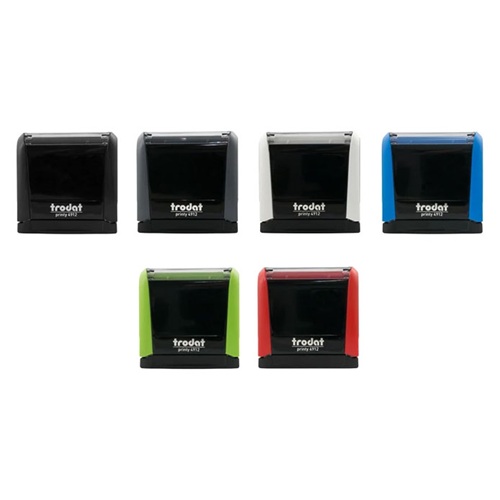
How Can Businesses Keep Multiple Signature Stamps Organized and Secure?
Keep Each Signature Stamp in a Fixed Location
One of the simplest ways to organize multiple signature stamps is to assign a fixed storage location for each stamp.
For example, a finance department can have a specific place for its stamp, while the administration department can have another location. Employees will know exactly where to find the required stamp.
If the stamps are kept in random places, employees may waste time looking for them. There is also a greater chance of losing a stamp.
Assign a specific storage location for every signature stamp. Use a drawer, cabinet, or secure storage box based on the number of stamps available.
Place each stamp in its assigned location after every use. This simple practice can keep the stamps organized and easy to locate.
Label the Stamps Clearly
When several stamps look similar, employees may accidentally use the wrong one. This can happen when different stamps contain different names, job titles, or departments.
For example, a business may have stamps for the manager, finance officer, director, and human resources department. If these stamps are stored together without proper identification, it can be difficult to select the correct one.
A Signature Stamp with printed name can make identification easier because the name is clearly shown on the stamp.
Label each storage space according to the employee or department using the stamp. If required, add the employee name, department name, or purpose of the stamp.
Keep similar stamps separated from each other. This reduces the possibility of using the wrong stamp on an important document.
Limit Access to Authorized Employees
Signature stamps can represent the approval or authorization of a particular person. Because of this, they should not be available to everyone in the office.
If employees can freely access all the stamps, there is a chance that a stamp may be used without permission.
Therefore, businesses should decide which employees can access each stamp.
Give access only to employees who require the stamp for their regular work. Keep sensitive stamps inside a locked drawer or cabinet when they are not being used.
Do not leave signature stamps unattended on desks or shared workspaces. This can reduce unauthorized use and keep important documents protected.
Maintain a Signature Stamp Register
Businesses that use many signature stamps can maintain a simple register to keep track of them.
The register can contain details such as the stamp name, assigned employee, department, storage location, and current status.
This can be maintained in a physical record or a digital spreadsheet.
Create a list of all signature stamps used by the business. Record the person or department responsible for each stamp.
Add the storage location and date of issue. Update the register whenever a stamp is replaced, transferred, or removed. With this record, it becomes easier to identify missing stamps and determine who is responsible for them.
Check the Stamps Regularly
Signature stamps can become damaged with regular use. The rubber impression may become unclear, or the stamp mechanism may stop working properly.
If a damaged stamp is used on business documents, the signature may not appear clearly. Therefore, businesses should check their stamps regularly.
Inspect the stamp impression for clarity. Check whether the stamp handle or mechanism is working properly.
Clean the stamp surface when required. Replace the stamp if the impression becomes unclear or the stamp is damaged.
Regular checks can help businesses avoid problems when an important document needs to be stamped immediately.
Keep Backup Stamps Securely
Some businesses may require backup signature stamps for emergencies. These can be useful when a primary stamp is damaged or unavailable.
However, backup stamps should also be controlled carefully. Keeping them in an open area can create the same security problem as keeping the primary stamps unsecured.
Store backup stamps separately from regularly used stamps. Mark them clearly as backup stamps.
Keep them in a secure location with limited access. Record their availability in the signature stamp register. This allows the business to use a backup when required without losing control over it.
Review Stamp Access When Employees Leave
When an employee leaves the business, their signature stamp should be collected immediately.
If the stamp remains with the former employee or is left in an accessible location, it may be used without authorization.
Collect the employee’s signature stamp during the exit process. Remove their access to the stamp storage area.
Record the return of the stamp in the business register. If the stamp is no longer required, replace or destroy it according to the company’s internal procedures.
Conclusion
These are some of the ways businesses can keep multiple signature stamps organized and secure. Fixed storage locations, clear identification, limited access, and a simple stamp register can make management easier.
Businesses should also inspect their stamps regularly and keep backup stamps in a secure place. When an employee leaves, their stamp should be collected immediately.
By following these practices, businesses can reduce the chances of misplaced stamps, unauthorized use, and errors on important documents.

