Vape products sold in many European countries must follow the Tobacco Products Directive or TPD regulations. These rules apply to e liquids, vape devices, packaging, labeling, and nicotine strength. For a TPD compliant vape manufacturer, nicotine limits are one of the most important requirements.
If the nicotine strength goes beyond the permitted level, the product cannot be legally sold in TPD regulated markets. Because of this, manufacturers must carefully control nicotine content during production.
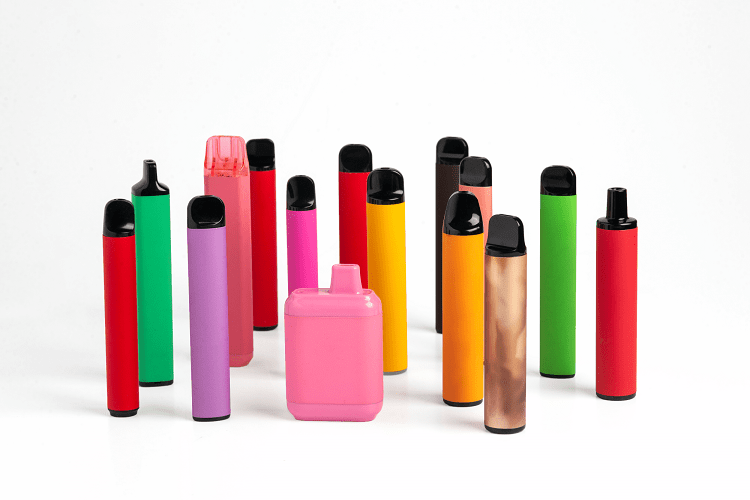
Why are Nicotine Limits Important for a TPD Compliant Vape Manufacturer?
Under TPD regulations, e liquids sold to consumers can contain a maximum nicotine strength of 20 mg/ml. Any vape liquid exceeding this level will fail to meet compliance standards.
This limit was introduced to reduce the risks linked to high nicotine intake. It also helps regulators maintain consistency across vape products sold in the market.
For a TPD compliant manufacturer, staying within this nicotine limit is necessary for legal approval and product distribution.
Why Nicotine Limits Matter
Nicotine strength directly affects how a vape product performs. Higher nicotine levels may deliver stronger throat hits and faster nicotine absorption. Because of this, regulators introduced limits to prevent excessive nicotine exposure.
If manufacturers ignore these limits, products may create health concerns for users. It can also lead to product bans, penalties, or import restrictions.
Therefore, nicotine limits help manufacturers maintain safer product standards while meeting legal requirements.
Product Testing is Necessary
A TPD compliant manufacturer must test every vape product before releasing it into the market. This testing process checks whether the nicotine content matches the amount mentioned on the packaging.
Sometimes the actual nicotine level may differ due to production errors, poor ingredient mixing, or low quality manufacturing controls. Even a small variation can create compliance issues.
Laboratory testing helps manufacturers identify such problems before the products reach customers.
Maintaining Consistency in Production
Consistency is important in vape manufacturing. Customers expect the same vaping experience every time they purchase a product.
If nicotine strength changes from one batch to another, users may notice differences in throat hit, flavor balance, or nicotine delivery. This can reduce customer trust.
For this reason, manufacturers use controlled production methods and ingredient measurements to maintain nicotine consistency across all batches.
Packaging and Labeling Requirements
TPD regulations also require nicotine information to be clearly displayed on the packaging. This includes nicotine strength, warning labels, and ingredient details.
If the nicotine level printed on the packaging is incorrect, the product may fail compliance checks even if the actual liquid strength is within limits.
Because of this, manufacturers must verify both product testing reports and packaging information before releasing products into the market.
Preventing Legal and Financial Problems
Selling non compliant vape products can create serious business problems for manufacturers.
Authorities may stop product sales, issue fines, or remove products from retail shelves. In some cases, manufacturers may also lose partnerships with distributors and retailers.
For a TPD compliant manufacturer, following nicotine limits helps avoid these issues and supports long term business operations.
Conclusion
Nicotine limits play a major role in TPD vape regulations. They help control product safety, maintain manufacturing standards, and support legal market distribution.
For a TPD compliant manufacturer, following nicotine limits is not optional. It affects product approval, customer trust, and business continuity.
By maintaining accurate nicotine levels, conducting proper testing, and following labeling rules, manufacturers can continue supplying compliant vape products to regulated markets without unnecessary complications.

