In today’s environmentally conscious society, sustainable design practices are becoming increasingly important in various fields, including kitchen design. Artificial intelligence (AI) is transforming how we approach sustainable kitchen design by enhancing efficiency, reducing waste, and improving user experience. This article will explore the key benefits of utilizing AI in creating eco-friendly kitchen spaces.
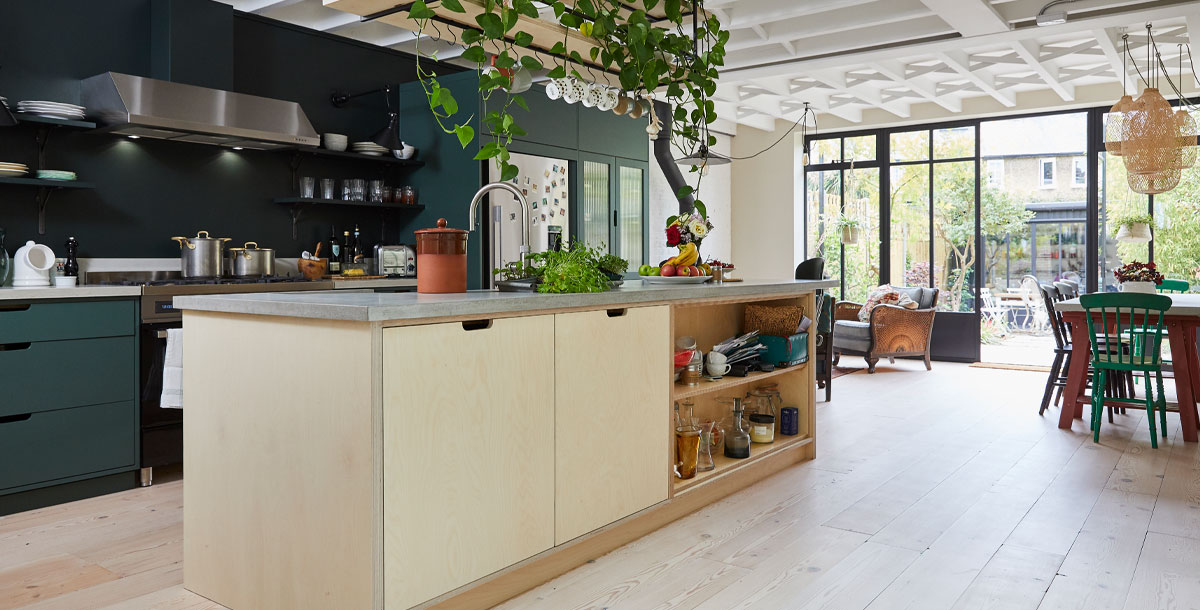
Enhanced Energy Efficiency
One of the primary advantages of using AI in kitchen design is its ability to enhance energy efficiency. AI systems can analyze patterns in energy usage, allowing for optimized layouts and appliance selection. For example, AI can recommend energy-efficient appliances that consume less electricity while delivering optimal performance. By integrating these smart appliances into the kitchen design, homeowners can significantly reduce their energy bills and environmental footprint.
Resource Management
AI kitchen design tools can also help in managing resources more effectively. With advanced algorithms, AI can evaluate the materials used in kitchen construction and suggest eco-friendly alternatives. This helps to minimize the environmental impact of sourcing and manufacturing processes. Moreover, AI can assist in calculating the precise amount of materials required, which reduces waste during the building phase.
Improved Waste Reduction
Waste reduction is a critical component of sustainable kitchen design, and AI plays a vital role in achieving this goal. By using data analytics, AI can track food consumption patterns and recommend portion sizes to prevent over-purchasing and food waste. Furthermore, smart appliances can notify users when food is nearing expiration, encouraging them to utilize items before they spoil. This proactive approach can lead to a significant decrease in kitchen waste.
Customization of Space
AI-powered design tools allow for a high level of customization in kitchen layouts. By analyzing the user’s habits and preferences, AI can propose designs that maximize functionality while promoting sustainability. For instance, AI can suggest optimal placements for recycling bins or composting stations, making it easier for homeowners to incorporate eco-friendly practices into their daily routines. This thoughtful arrangement promotes a more sustainable lifestyle while maintaining aesthetic appeal.
Smart Technology Integration
Integrating smart technologies into kitchen design is another benefit of using AI. Smart kitchen devices, such as IoT-enabled refrigerators and ovens, can communicate with each other to optimize energy usage. For example, a smart oven can preheat at off-peak energy times, while a refrigerator can adjust its cooling settings based on the food load. These technologies help create a harmonious kitchen environment that prioritizes sustainability without compromising convenience.
Cost Savings in the Long Run
While the initial investment in AI kitchen design may seem high, the long-term cost savings are substantial. Energy-efficient appliances, reduced waste, and optimized layouts lead to lower utility bills and reduced expenses over time. Homeowners can recoup their investment through these savings while contributing to a more sustainable environment.
Conclusion
Utilizing AI for sustainable kitchen design offers numerous advantages, from improved energy efficiency to waste reduction. By leveraging advanced technologies, homeowners can create kitchens that are not only functional but also environmentally responsible. As the demand for sustainable living continues to grow, incorporating AI into kitchen design becomes an essential step towards a greener future.
 Tele Features