Traveling in a camper van offers long stays in remote areas away from cities and towns. While this provides peace and freedom, it also raises concerns about security. A camper van parked in a quiet location is more vulnerable to intrusions, so having a reliable alarm system becomes essential. Many travelers are now relying on solar-powered alarm systems because they do not depend solely on the van’s battery. Let us look in detail at how solar-powered camper van alarms work and why they are highly beneficial for remote areas.
How Does a Solar-Powered Camper Van Alarm System Work?
A solar-powered camper van alarm system uses solar panels to collect sunlight and convert it into electrical energy. This energy is stored in rechargeable batteries that power the alarm sensors and control units. The stored energy allows the alarm to function even during nighttime or cloudy conditions. Since the system is independent of the van’s main battery, you do not have to worry about draining the vehicle’s power supply.
The alarma furgoneta camper setup often includes motion detectors, door sensors, and sometimes vibration sensors. These are connected to a central unit that triggers a loud siren or even sends an alert to your phone if any suspicious activity is detected.
Benefits of Solar-Powered Alarm Systems in Remote Areas
Independent Power Supply
The most important benefit is that solar power allows the system to run continuously without depending on external electricity. Even if you park in a remote area with no charging options, the alarm remains active. This gives constant protection without interruptions.
Reliable During Long Stays
Campers often spend several days or weeks at the same spot. During such long stays, a traditional alarm may drain the van’s battery. A solar-powered alarm system charges itself every day with sunlight, making it reliable for extended periods.
Eco-Friendly Operation
Since these alarm systems are powered by solar energy, they do not increase fuel use or require extra charging from power stations. This helps maintain sustainable travel and avoids unnecessary strain on the van’s battery.
Easy Maintenance
Solar-powered alarms are simple to maintain. The solar panel requires occasional cleaning to remove dust, and the rechargeable batteries last for years before replacement. With minimal care, the system continues to operate effectively.
Conclusion
Solar-powered camper van alarm systems provide continuous protection in remote areas where power supply is limited. By using solar panels and rechargeable batteries, these systems keep running without draining your van’s energy. With features like motion detection, loud sirens, and real-time alerts, the alarma furgoneta camper setup offers reliable security for long stays in isolated locations. Choosing such a system helps you focus on your journey without worrying about the safety of your van.
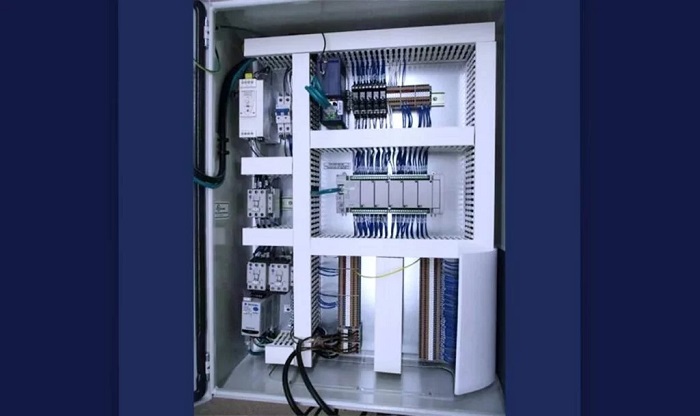
Electrical panels no longer exist as silent enclosures of switches and breakers. They are transforming into intelligent hubs driven by digital technology. The arrival of IoT-enabled monitoring devices has created a seismic shift. Panels now think, analyze, and communicate data in real time. This evolution changes how industries monitor performance, energy, and safety. It signals a new chapter in electrical engineering and system integration.
The awakening of silent panels
Electrical panels once stood as passive steel boxes, protecting circuits without deeper awareness. Today, IoT integration awakens these units into analytical platforms. Sensors and smart meters continuously record energy behaviors across distribution lines. This flow of information ensures operators detect hidden inefficiencies instantly. The transition reflects the broader transformation in fabricación de cuadros electricos worldwide. Silent components evolve into predictive allies for modern infrastructure.
Watching energy in real time
IoT devices allow energy visibility at a level never possible before. Current sensors trace every load with remarkable accuracy inside the panel. Operators see consumption patterns down to individual machines. This constant observation means waste and inefficiencies surface quickly. Energy management shifts from reactive auditing to real-time intelligent control. Industries achieve lower costs while maintaining consistent operational reliability.
Predicting failures before disaster
Panels equipped with IoT devices gain predictive maintenance superpowers. Temperature monitors detect dangerous hotspots forming in conductors. Vibration sensors sense failing breakers long before collapse occurs. Algorithms interpret these signals, alerting engineers with precise insights. Maintenance becomes proactive, preventing costly downtime and accidents. This predictive advantage strengthens industrial safety while preserving uninterrupted productivity.
Speaking the language of data
Modern panels no longer speak in technical codes only technicians decode. IoT translates electrical performance into visual dashboards understandable across teams. Cloud-based interfaces display current health, efficiency, and risks instantly. This democratization of information empowers managers and operators alike. Decisions gain speed as insights arrive without delay. Panels now contribute to organizational intelligence beyond their metallic enclosures.
Remote guardians of infrastructure
IoT-enabled panels extend their reach far beyond physical rooms. Remote access allows engineers to track panel conditions across entire sites. Alerts arrive on smartphones when abnormalities threaten systems. Troubleshooting begins immediately without waiting for on-site inspection. Remote guardianship saves time, resources, and operational continuity. Panels become digital sentinels safeguarding infrastructure around the clock.
Integrating with industrial ecosystems
Panels no longer operate as isolated islands of control. IoT integration links them with broader industrial ecosystems seamlessly. They communicate with building automation, energy platforms, and production software. Data flows across these systems to create holistic intelligence. Integration streamlines coordination across energy, safety, and productivity layers. This convergence fuels smarter factories and sustainable industrial strategies worldwide.
The future scripted in code
The integration of IoT-enabled monitoring devices has redrawn the narrative of panel design. Electrical enclosures once defined by rigidity now embody adaptability. Smart sensors, predictive algorithms, and connected dashboards transform operations daily. Industries no longer settle for panels that only distribute power. Instead, they demand systems that speak, foresee, and optimize. The future of electrical panels is already written in code.
Many actors with years of experience still return to acting school. This decision might seem surprising at first. They already have industry knowledge and practical skills from various roles. However, the craft of acting constantly evolves with new methods and perspectives. Experienced performers often seek fresh inspiration and technical refinement. Returning to school allows them to rediscover the art in a deeper, more personal way.
Revisiting the Foundations of Performance
Even skilled actors sometimes feel the need to revisit basic acting principles. Over time, habits can form that limit emotional range or creativity. A return to training helps remove these limitations and refresh old techniques. Instructors can offer modern approaches that were not available years ago. This process can reignite passion and energy within an actor’s craft. Many discover that revisiting fundamentals strengthens their presence on both stage and screen.
Adapting to Modern Acting Techniques
The acting world has transformed with the rise of new media formats and styles. Many seasoned actors return to school to learn these updated techniques. Modern acting often requires subtle expressions suited for digital close-ups. Scene works now demands adaptability between live performance and on-camera roles. By studying again, actors gain confidence in these changing environments. An escuela de actores Valencia, for example, can bridge the gap between classic and contemporary methods.
Breaking Typecasting and Expanding Roles
Some actors find themselves repeatedly offered similar roles over time. This can lead to creative frustration and professional stagnation. Returning to acting school exposes them to different genres and performance challenges. They can experiment with roles they have never tried before. Teachers often push actors beyond their comfort zones for growth. This renewed versatility helps open doors to richer, more diverse opportunities in the industry.
Reigniting Creative Inspiration and Passion
Acting can become routine when performed under constant career pressure. The joy and curiosity from early training may fade over years of professional work. Acting schools provide a supportive space to reconnect with artistic motivation. Working alongside other dedicated students fosters fresh inspiration and new perspectives. Exercises and improvisations awaken emotions that might have been dormant. This environment can restore the actor’s deep love for the craft.
Building Stronger Professional Networks
Returning to school is not only about learning skills but also about connections. Actors meet directors, casting agents, and fellow performers in training programs. These relationships can lead to collaborations long after the course ends. Experienced actors also share valuable insights with newer students. This exchange builds mutual respect and trust within the acting community. Networking in such environments often brings unexpected career opportunities.
Conclusion
Returning to acting school after years in the profession is not a step backward. It is an investment in artistic growth and adaptability. Actors benefit from updated skills, renewed inspiration, and expanded connections. In a constantly evolving industry, learning never truly ends. The decision to study again reflects dedication, humility, and a genuine love for the craft.
Diamond grading plays a major role in the value and appearance of a diamond. But many people misunderstand how grading works and make wrong decisions when buying or evaluating diamonds. These errors often lead to overspending or choosing a diamond that does not match expectations.
Let us look at the most common mistakes in understanding diamond grading and how to avoid them.
Misunderstanding Diamond Clarity
鑽石淨度 refers to how clean a diamond is from internal flaws (inclusions) and external marks (blemishes). This grade is important, but its visual impact is often misunderstood.
Many people think a higher clarity grade always means a better-looking diamond. But most inclusions are not visible to the naked eye in clarity grades of VS2 or better. Even SI1 diamonds may look clean without magnification.
This leads buyers to spend more on clarity without gaining anything in visual quality. Unless the diamond is being purchased for technical inspection or resale, paying extra for higher clarity may not give practical benefits.
Confusing Carat with Surface Size
Carat measures weight, not visible size. Two diamonds with the same carat weight can appear different in size. A deeper diamond will have a smaller face-up area. A shallow one may look bigger even if it weighs the same.
Assuming that a higher carat means a larger diamond can result in confusion. Always check the physical measurements. Look for diameter and depth values. These numbers help compare how large a diamond appears once set.
Ignoring the Importance of Cut
Cut affects how well a diamond reflects light. It determines brightness, fire, and sparkle. But many people focus on carat or clarity and skip the cut grade.
Even a high carat diamond will look dull if it has a poor cut. On the other hand, a smaller diamond with a good cut can appear more brilliant and attractive.
Cut is the only factor that changes how a diamond looks in motion. Grades like Excellent or Very Good for cut should always be checked first, especially for round shapes.
Trusting All Certificates Equally
Not all grading labs follow the same standards. Some are strict, while others give higher grades for the same diamond.
This creates problems when comparing diamonds based on certificates alone. For example, a diamond rated SI1 by one lab might only qualify as I1 under a stricter lab.
Always check which organization issued the report. Labs like GIA and AGS are known for consistent grading. Avoid trusting the paper alone. The same grade can mean different things from different labs.
Overvaluing Color Grades
Color grades range from D (colorless) to Z (noticeable yellow or brown). But most people cannot tell the difference between nearby grades once the diamond is set.
For example, diamonds graded G to J can look nearly the same as D to F in normal lighting. This is especially true when the diamond is set in yellow gold.
Trying to get the top color grade may result in extra spending without a visible change. It is better to view the diamond in person or look at how it appears when mounted.
Skipping Visual Checks
Grading reports do not show everything. They only describe technical features. They do not tell you how a diamond appears under light or from different angles.
A diamond may have a flaw hidden under the prong. Another one may reflect light poorly even with a good cut grade. This cannot be known from the certificate.
Always try to view the diamond directly or ask for high-resolution images and videos. Seeing the diamond helps avoid surprises later.
Conclusion
Diamond grading gives useful details, but not all information carries the same weight in real use. Mistakes like misunderstanding 鑽石淨度, ignoring cut, or chasing top grades across the board often lead to unnecessary spending.
Diamond value is decided by several factors. Cut quality is one of the most important. While many focus on carat, color, and clarity, cut has a direct effect on how the diamond looks and how much it is worth.
In this article, we will explore how poor cut quality lowers a diamond’s appearance, desirability, and price. You will also understand how to identify such diamonds and avoid buying one that does not deliver value.
Drop in Brightness and Sparkle
A poorly cut diamond will not reflect light the way it should. Instead of bouncing back through the top of the stone, light leaks through other directions.
As a result, the diamond will look dark or flat under lighting. It will have low brightness and poor color flashes.
This lack of sparkle lowers the diamond’s appeal. Even if the stone has high clarity and size, buyers are less interested when there is little shine.
Lower Market Value
The price of a diamond is linked closely to how it looks. If a diamond does not sparkle or appear lively, its price is reduced.
Even if the diamond has good clarity and a high carat weight, the poor cut leads to a visible downgrade in value. In some cases, the difference in price can reach 30 to 50 percent.
Buyers often judge diamonds by what they see first. When the appearance does not match the size or cost, they walk away or ask for a lower price.
Trouble During Resale
Diamonds with poor cut quality are harder to resell. Most buyers ask for grading reports. These reports clearly mention the cut grade.
If the report shows a low cut grade, the buyer may offer a lower price or reject the diamond.
Over time, diamonds with better cuts maintain their resale value. Poorly cut stones do not. Their performance declines, and they lose value faster.
If you plan to resell your diamond one day, cut quality becomes a major point to consider.
Jewelry Appearance Is Affected
When set into rings, earrings, or pendants, a poorly cut diamond may not align well. It may sit too deep, look unbalanced, or reflect less light.
This weakens the entire appearance of the jewelry.
Reputable sellers select diamonds princess with high cut quality to avoid such problems. A well-cut diamond improves the final look of the jewelry and makes it more attractive to customers.
Conclusion
Poor diamond cut quality affects appearance, lowers sparkle, and reduces market value. Even diamonds with good clarity and size lose their charm when cut quality is ignored. Buyers may avoid such stones. Resale becomes difficult. Even when set in fine jewelry, the overall look can suffer.
Environmental regulations have become a significant part of the construction and real estate sector in recent years. With increasing concerns about ecological balance, resource management, and sustainable growth, property developers in Chennai are adapting their strategies to meet compliance standards set by environmental authorities. These regulations influence multiple aspects of a new development — from land selection and design to construction methods and post-completion maintenance.
Let us look at how these environmental laws shape property development across the city and why compliance is critical for long-term success.
What Do Environmental Regulations Cover?
Environmental regulations in India, especially those governed by the Ministry of Environment, Forest and Climate Change (MoEFCC) and the Tamil Nadu Pollution Control Board (TNPCB), include a wide range of mandates. These cover air and water pollution control, rainwater harvesting, solid waste management, energy efficiency, and groundwater usage.
For large-scale residential and commercial developments, developers must obtain environmental clearance (EC) before initiating construction. The clearance process involves multiple assessments, including Environmental Impact Assessments (EIA), which examine how the proposed project could affect its surroundings. Based on the EIA, authorities determine whether the project is viable and under what conditions it may proceed.
Influence on Location and Land Use
Environmental rules play a major role in determining where new projects can be established. For instance, developments close to ecologically sensitive areas such as water bodies, wetlands, or forested zones face restrictions. These areas are often under strict scrutiny to prevent environmental degradation.
This means developers have to be more selective and careful in choosing land. Projects near protected zones might need additional permissions and stricter compliance frameworks. As a result, some areas in Chennai have become less feasible for new developments, while others have gained prominence due to their lower environmental risk.
Impact on Design and Infrastructure Planning
One of the main influences of environmental guidelines is seen in the planning phase. Developers must incorporate eco-friendly features such as efficient water usage systems, energy-saving electricals, solar panels, and waste segregation mechanisms.
Stormwater management, sewage treatment plants (STPs), and green space allocation are no longer optional features — they are requirements. These design elements affect the overall blueprint and often lead to an increase in initial construction costs. However, they contribute to long-term savings and environmental sustainability.
Further, buildings need to meet specific green certification standards like IGBC (Indian Green Building Council) or GRIHA (Green Rating for Integrated Habitat Assessment) depending on the project’s scale and purpose.
Construction and Material Guidelines
Environmental compliance extends into the actual construction process as well. Rules are in place to control dust pollution, reduce noise levels, and prevent dumping of waste materials. Developers are expected to follow clean construction techniques such as using prefabricated structures or eco-friendly raw materials like fly ash bricks and low-VOC paints.
Additionally, monitoring systems may need to be installed during construction to track noise and air quality levels. Failure to follow these regulations can result in hefty penalties, work stoppages, or even cancellation of approvals.
Post-Completion Responsibilities
Even after a project is completed, the environmental responsibilities of developers do not end. Proper maintenance of sewage systems, recycling units, and green areas are essential. Many housing societies are now mandated to continue the sustainability efforts through regular audits and compliance reporting.
Developers often work with residents or property management companies to maintain compliance even after handover. This sustained accountability is key to meeting environmental standards over time.
Role of Government Authorities
In Chennai, both state and central authorities monitor real estate developments. The Chennai Metropolitan Development Authority (CMDA) and TNPCB work in tandem to enforce guidelines. If a project fails to comply, it can be denied approvals or face legal challenges.
Recent years have also seen stricter enforcement, especially for large developments. The introduction of digital monitoring and public grievance redressal systems has made regulatory oversight more efficient.
How Does This Affect Property Buyers?
Buyers are becoming increasingly aware of the environmental standards followed in construction. A project that meets green regulations is often more attractive due to lower utility bills, healthier living conditions, and better resale value.
Projects that fall short of these standards might face operational issues or even legal hurdles in the future. Therefore, buyers are beginning to check for certifications and environmental clearances before making investment decisions.
Developers are responding to this shift by building properties that align with both regulatory needs and buyer expectations. This is especially true in metropolitan areas where educated buyers demand more transparency and accountability.
What’s the Outlook for New Developments in Chennai?
As regulations become more stringent, developers in Chennai are revisiting their construction models. Sustainable practices are no longer an optional trend but a fundamental part of new projects.
Properties in Chennai that align with environmental standards are more likely to gain approval faster and face fewer long-term issues. Developers who plan proactively and integrate compliance measures from the design stage are staying ahead in the market.
In fact, many new projects are being advertised based on their eco-conscious features. With public awareness increasing, environmentally responsible construction is becoming a competitive advantage. As a result, more builders are investing in expert consultations and green certifications.
In conclusion, environmental regulations are shaping the future of property development in Chennai in significant ways. While they present new challenges, they also offer a roadmap for more sustainable and responsible urban growth. For both developers and buyers, understanding these rules is becoming essential for making informed decisions about properties in Chennai.
A wedding proposal is one of the most emotional and memorable moments in a person’s life. Many people spend weeks or even months planning every part of it—from the location and speech to the ring and timing. Yet, some proposals don’t go as expected. Despite all the time and effort, they can fall flat or even end with an unexpected “no.” So why does this happen?
Let’s take a detailed look at some of the main reasons a wedding proposal might fail even when everything appears to be perfectly arranged.
Misreading the Relationship
One of the main reasons a wedding 求婚 doesn’t go well is because one person misreads where the relationship stands. Just because you feel ready for the next step doesn’t mean your partner feels the same way. While you might see signs of love and commitment, your partner might still be unsure about the future.
It’s important to communicate openly about long-term goals, feelings about marriage, and timing. If these things aren’t talked about clearly, a proposal might come too early and catch the other person off guard.
Pressure from Others
Some people decide to propose because of outside pressure—from friends, family, or even social media. This kind of motivation can lead to a proposal that doesn’t feel personal or genuine. Your partner may sense that the decision was influenced by others instead of coming from your true feelings.
A wedding proposal should be based on your connection with your partner, not because others think it’s “time.” When the reason for the proposal isn’t solid, the outcome can be disappointing.
Lack of Emotional Readiness
Even in strong relationships, both people need to feel emotionally ready for a lifelong commitment. A person might love their partner deeply but still feel unsure about marriage due to past experiences, fears, or personal goals. In such cases, a proposal can bring up hesitation rather than excitement.
This is why knowing your partner’s mindset is just as important as planning the right setting or buying the perfect ring. A wedding proposal should reflect mutual confidence in the relationship.
Ignoring Personality and Preferences
Proposals that fail often overlook the personality and preferences of the partner being proposed to. For example, someone who is shy or private might feel uncomfortable with a public display like a flash mob or a stadium proposal. What’s meant to be a grand romantic gesture could feel overwhelming or even embarrassing.
The most meaningful proposals are the ones that reflect the true nature of your relationship. Instead of trying to impress with scale, focus on what matters to your partner and your shared history.
Overcomplicating the Moment
Sometimes, people try so hard to make the proposal flawless that they lose sight of the actual message. Overplanning can turn a sincere moment into a staged performance. If you’re too focused on scripts, camera angles, or dramatic effects, the natural emotion can get lost.
A wedding proposal doesn’t need to be a spectacle to be powerful. It’s about expressing a deep desire to spend your life with someone. Keeping it simple can often have a bigger impact than an overly complicated plan.
Timing Issues
Timing plays a huge role in the success of a wedding proposal. Even if everything else is right, the wrong timing can ruin the moment. If your partner is going through stress, personal changes, or career challenges, a proposal might feel like added pressure rather than a joyful surprise.
Being aware of what’s going on in your partner’s life can help you choose the right time. A calm, happy phase in life is often a better stage for big decisions like marriage.
Lack of Honest Conversations
One of the most overlooked causes of a failed proposal is the absence of honest, meaningful conversations about marriage. If the topic hasn’t been discussed seriously before, proposing might feel like jumping ahead too soon.
Talking about future plans, values, and hopes gives you both clarity. That way, when the moment comes, it’s just a confirmation of what you both already know deep down—that you want to move forward together.
Final Thoughts
A wedding proposal is a deeply personal act. Even with flawless planning, it can miss the mark if it doesn’t align with the emotional, mental, and practical state of the relationship. Understanding your partner, having honest conversations, and focusing on what truly matters between you two will help make the moment memorable for the right reasons.
Instead of aiming for a perfect plan, aim for a meaningful connection. That’s what truly makes a wedding proposal unforgettable.
Indoor advertising demands attention, and traditional displays sometimes struggle to stand out. One solution gaining popularity is the holographic LED fan, a technology that creates striking 3D visuals using spinning LED blades. But what advantages does this offer for indoor displays and advertising? Let’s explore the main benefits in detail.
Captivating Visual Appeal A holographic LED fan produces vibrant, eye-catching images that appear to float in mid-air. This effect naturally draws people’s attention, making it an effective tool for capturing foot traffic in malls, stores, and exhibitions. Unlike flat screens or posters, the 3D visuals add depth and movement, which keeps viewers engaged longer. This dynamic display helps brands communicate messages in a memorable way without relying on static images.
Space Efficiency Indoor spaces can often be limited, and bulky advertising setups may not fit well. The holographic LED fan is compact and lightweight, allowing it to be installed in small or tight areas without compromising impact. It usually hangs from the ceiling or is mounted on walls, taking up minimal floor space. This makes it ideal for shops, trade shows, or offices where maximizing space is important.
Energy Savings Compared to conventional digital signage or large LED screens, the holographic LED fan consumes relatively low power. Since it uses LED lights and spinning blades to create images, it can operate efficiently for long periods without significant energy costs. This not only benefits the environment but also helps reduce ongoing expenses for businesses that use it regularly.
Versatility in Content Display The holographic LED fan can display a wide range of content types, from logos and product images to animations and videos. The content can be easily updated through software, which means advertisers can quickly change promotions or messages based on the target audience or season. This flexibility makes it a practical choice for businesses that want to keep their displays fresh and relevant without frequent hardware changes.
Enhanced Brand Image Using innovative technology like a holographic LED fan can reflect positively on a brand. It shows a willingness to adopt modern solutions and creates an impression of forward-thinking. Customers tend to associate such displays with creativity and professionalism, which can help improve brand perception. For businesses competing in crowded markets, this advantage can make a significant difference.
Reduced Maintenance Requirements Traditional display methods may require regular upkeep or replacements, especially if physical materials wear out. In contrast, holographic LED fans are generally durable with fewer mechanical parts prone to failure. This results in less downtime and lower maintenance costs over time, allowing businesses to focus more on their core activities rather than frequent repairs.
Conclusion A holographic LED fan offers several benefits for indoor advertising, including captivating visuals, space efficiency, energy savings, versatile content display, enhanced brand image, and reduced maintenance. These factors make it a valuable option for businesses aiming to create memorable and effective indoor displays without major investments or space concerns. If you want an innovative way to attract attention and communicate your message indoors, this technology is worth considering.
Nowadays, the popularity of online yoga classes has grown, making it easier than ever to practice yoga from the comfort of your home. Whether you are a beginner or an experienced one, finding the right online yoga instructor is important for getting the most out of your practice. But with so many options available, how do you choose the best teacher for you? In this article, we will take a look at some of the key factors to consider when looking for an online yoga instructor.
Credentials and Experience
One of the most important things to look for is the qualifications of the instructor. A certified yoga instructor has completed formal training from approved program, which ensures that they have a solid understanding of anatomy, alignment, and teaching methods.
Experience also plays a major role and a teacher who has been guiding students for years tends to have a better understanding of how to modify poses and offer safe, effective guidance. For example, teachers at yoga la eliana offer a familiar and trusted connection for those who looking for a local touch with an online option.
Teaching Approach and Style
Every yoga instructor has a unique style and way of communicating with students. Some are more gentle and meditative, focusing on breathwork and relaxation, while others highlighting strength, flexibility, and vigorous flow sequences. Before committing to a class or subscription, watch sample videos or attend a free trial session to see if their style resonates with you. The best instructors not only demonstrate poses clearly but also inspire and motivate you to deepen your practice.
Class Structure and Level
Make sure that the instructor provides beginner, intermediate, or advanced classes that are suitable for your skill level. A good online teacher will clearly communicate the class difficulty and offer modifications for different skill levels or physical limitations. Structured classes with a clear flow, including warm-up, peak poses, and cooldown, help you progress safely and enjoyably.
Interaction and Feedback
One of the possible drawbacks of online yoga is the limited personal interaction. However, some instructors provide live sessions with real-time feedback or interactive Q&A, which can be very beneficial. Look for teachers who offer ways to connect, whether through live streams, community forums, or direct messaging. This interaction helps you correct your form and stay motivated.
Affordability and Flexibility
Pricing varies widely, from free pre-recorded videos to subscription platforms and private sessions. Consider your budget and how often you plan to practice. Many online yoga instructors offer flexible payment options, packages, or drop-in classes to suit different needs.
Conclusion
Choosing the right online yoga instructor is a personal journey that can greatly impact your yoga experience. By focusing on the above-mentioned factors, you will find a teacher who helps you grow safe and enjoyable in your practice.
Bagels are a staple in many bakeries, and one of their defining characteristics is the crust. Getting the crust right means finding a balance between chewiness, color, and that subtle crisp texture on the outside. The humidity level during baking plays a key role in achieving this. Many professionals working with hornos panaderia (bakery ovens) spend hours refining their baking environment to get this part just right. Let’s explore how humidity influences the crust of a bagel and what settings can help you create a perfect one.
The Ideal Humidity Settings for Bagels
Bagels require a humid baking environment during the first few minutes inside the oven. Typically, the recommended relative humidity during this initial stage is between 60% and 80%. This allows the surface to stay soft enough to expand, and it helps in creating a shiny, slightly blistered crust after baking.
Once the bagels have expanded and formed their shape, usually around 5 to 7 minutes into baking, the humidity should drop. At this point, lowering the steam allows the crust to firm up and develop that satisfying chew. Some hornos panaderia are equipped with steam injection systems, making this process easier to manage. If your oven doesn’t have such features, you can simulate it using water pans or misting.
How do Different Humidity Levels Affect Crust Quality?
Understanding how slight adjustments can change the outcome is helpful. Here’s a simple guide:
Too Low (Below 50%): Crust sets too fast. The bagel becomes tough on the outside and doesn’t rise enough.
Moderate (60% to 70%): Balanced expansion with proper crust development. This is where most bakers find success.
High (Above 80%): Excess moisture can lead to a pale crust and gummy texture if not reduced later in the bake.
Remember, the key is not just the starting humidity but also how it changes throughout the baking cycle.
Step-by-Step: Using Humidity to Improve Crust
Preheat your oven fully – The oven should reach its baking temperature before the bagels go in.
Create initial steam – Use your steam injection setting if your hornos panaderia has one, or place a water pan to generate moisture.
Bake with steam for the first 5–7 minutes – This helps with oven spring and gives bagels their glossy finish.
Vent or reduce steam after 7 minutes – Letting moisture escape will help firm up the crust and build the final texture.
Finish baking in a dry environment – The last few minutes help the crust reach its final color and feel.
Small Adjustments Make a Big Difference
Humidity isn’t just about moisture, rather, it’s about timing. A small change in when and how you introduce or reduce steam can have a noticeable effect on your bagel’s crust. That’s why many experienced bakers test multiple batches with slight variations to find what works best with their setup.
If you are using hornos panaderia regularly, getting familiar with your oven’s behavior is essential. Every oven behaves slightly differently, and consistent results come with practice.
Conclusion
Humidity plays a major role in achieving a great bagel crust. By understanding how steam influences dough during the baking process and adjusting it at the right moments, you can improve both texture and flavor. Whether you’re working with a professional oven or adapting techniques for a smaller oven, the right humidity settings can transform your bagels from average to bakery-quality. Try different steam levels and find what brings out the best in your baking.