Locksmith services are one of those things you rarely think about until you suddenly need them. Whether you are locked out of your car, lost your house keys, or need a security upgrade, finding a trustworthy locksmith is crucial. Unfortunately, many people fall victim to scams during such emergencies because they rush into hiring the first service they come across.
In this article, we will look at common locksmith scams and provide clear steps to avoid them. By following these methods, you can hire a genuine professional, whether you need a local locksmith in Durham or anywhere else.
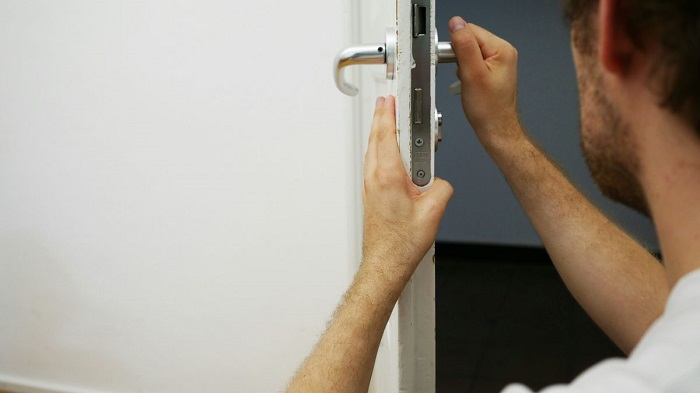
Common Locksmith Scams
Extremely Low Phone Quotes
A common red flag is receiving a quote that seems too cheap. Scammers often advertise very low service fees, sometimes as little as $15 or $20, just to get your attention. Once they arrive, the price suddenly increases due to “unexpected issues” or inflated labor costs.
Drilling When It’s Not Needed
Most locks can be opened by skilled locksmiths without drilling. However, fraudulent locksmiths may claim drilling is the only solution, leading you to pay more for a lock replacement.
Fake “Local” Listings
Many scam services advertise as being local, but they actually route your call to a call center miles away. This often results in unqualified technicians showing up, sometimes even without proper licensing.
How to Avoid Locksmith Scams
Research Before an Emergency
The best way to avoid scams is to look for a locksmith in advance, not during a crisis. Search for a locksmith in Durham or your local area and save the contact of a reputable provider on your phone. This way, you won’t be pressured to choose blindly when you’re locked out.
Verify Business Information
When searching online, check the locksmith’s business address and phone number. A genuine locksmith will have a physical address and consistent contact details. If you cannot verify this information, avoid hiring them.
Ask for Identification
When the locksmith arrives, ask for their identification and licensing. A legitimate locksmith will carry credentials and often arrive in a vehicle with the company name and logo. If they hesitate or refuse to show ID, it is a warning sign.
Get a Written Estimate
Before the locksmith begins the work, ask for a written estimate. This should include the service fee, labor cost, and any additional charges. Having the estimate upfront prevents surprise bills after the job is done.
Confirm Payment Methods
Trustworthy locksmiths accept standard forms of payment such as cards, cash, or digital transfers. Be cautious if someone demands only cash payments, especially if they refuse to provide a receipt.
Signs of a Trustworthy Locksmith
- They provide clear pricing without hesitation.
- They explain the problem and the repair process in simple terms.
- They avoid unnecessary drilling unless the lock is severely damaged.
- They arrive in a marked vehicle with professional tools.
- They are willing to provide references or reviews from past customers.
By looking for these signs, you can filter out unprofessional or fraudulent locksmiths.
What to Do If You Suspect a Scam
If you feel you are dealing with a scam, stop the work immediately. Do not pay until you are comfortable with the service. Report the incident to local consumer protection agencies and leave reviews online to warn others.
In cases where you urgently need help, contact your local police for advice on trustworthy emergency services.
Conclusion
Scammers take advantage of stressful situations where people need urgent help. By knowing the common tactics and taking precautionary steps, you can protect yourself from being overcharged or misled. Always research in advance, ask for identification, and request clear estimates before work begins.







 Tele Features