Electrical panels no longer exist as silent enclosures of switches and breakers. They are transforming into intelligent hubs driven by digital technology. The arrival of IoT-enabled monitoring devices has created a seismic shift. Panels now think, analyze, and communicate data in real time. This evolution changes how industries monitor performance, energy, and safety. It signals a new chapter in electrical engineering and system integration.
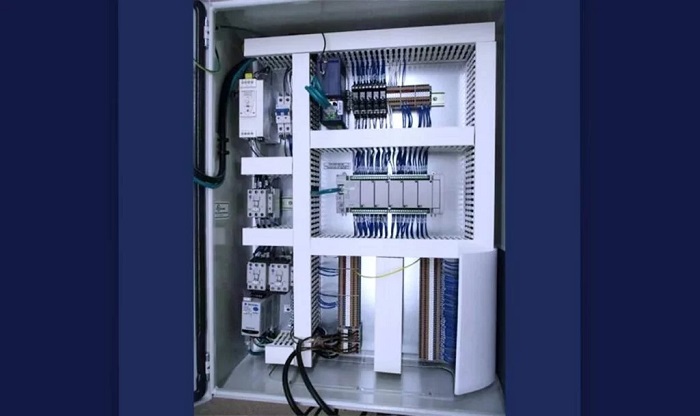
The awakening of silent panels
Electrical panels once stood as passive steel boxes, protecting circuits without deeper awareness. Today, IoT integration awakens these units into analytical platforms. Sensors and smart meters continuously record energy behaviors across distribution lines. This flow of information ensures operators detect hidden inefficiencies instantly. The transition reflects the broader transformation in fabricación de cuadros electricos worldwide. Silent components evolve into predictive allies for modern infrastructure.
Watching energy in real time
IoT devices allow energy visibility at a level never possible before. Current sensors trace every load with remarkable accuracy inside the panel. Operators see consumption patterns down to individual machines. This constant observation means waste and inefficiencies surface quickly. Energy management shifts from reactive auditing to real-time intelligent control. Industries achieve lower costs while maintaining consistent operational reliability.
Predicting failures before disaster
Panels equipped with IoT devices gain predictive maintenance superpowers. Temperature monitors detect dangerous hotspots forming in conductors. Vibration sensors sense failing breakers long before collapse occurs. Algorithms interpret these signals, alerting engineers with precise insights. Maintenance becomes proactive, preventing costly downtime and accidents. This predictive advantage strengthens industrial safety while preserving uninterrupted productivity.
Speaking the language of data
Modern panels no longer speak in technical codes only technicians decode. IoT translates electrical performance into visual dashboards understandable across teams. Cloud-based interfaces display current health, efficiency, and risks instantly. This democratization of information empowers managers and operators alike. Decisions gain speed as insights arrive without delay. Panels now contribute to organizational intelligence beyond their metallic enclosures.
Remote guardians of infrastructure
IoT-enabled panels extend their reach far beyond physical rooms. Remote access allows engineers to track panel conditions across entire sites. Alerts arrive on smartphones when abnormalities threaten systems. Troubleshooting begins immediately without waiting for on-site inspection. Remote guardianship saves time, resources, and operational continuity. Panels become digital sentinels safeguarding infrastructure around the clock.
Integrating with industrial ecosystems
Panels no longer operate as isolated islands of control. IoT integration links them with broader industrial ecosystems seamlessly. They communicate with building automation, energy platforms, and production software. Data flows across these systems to create holistic intelligence. Integration streamlines coordination across energy, safety, and productivity layers. This convergence fuels smarter factories and sustainable industrial strategies worldwide.
The future scripted in code
The integration of IoT-enabled monitoring devices has redrawn the narrative of panel design. Electrical enclosures once defined by rigidity now embody adaptability. Smart sensors, predictive algorithms, and connected dashboards transform operations daily. Industries no longer settle for panels that only distribute power. Instead, they demand systems that speak, foresee, and optimize. The future of electrical panels is already written in code.
 Tele Features