Foundations are the most critical part of a structure, and their durability heavily depends on how well they are protected from water. Water seepage and prolonged exposure to moisture can cause structural damage, mold, and expensive repairs. So, applying the right waterproofing method based on the type of foundation material is essential. Let us go through different foundation materials and find the most suitable waterproofing method for each one. This way, you can make better choices for long-term protection.
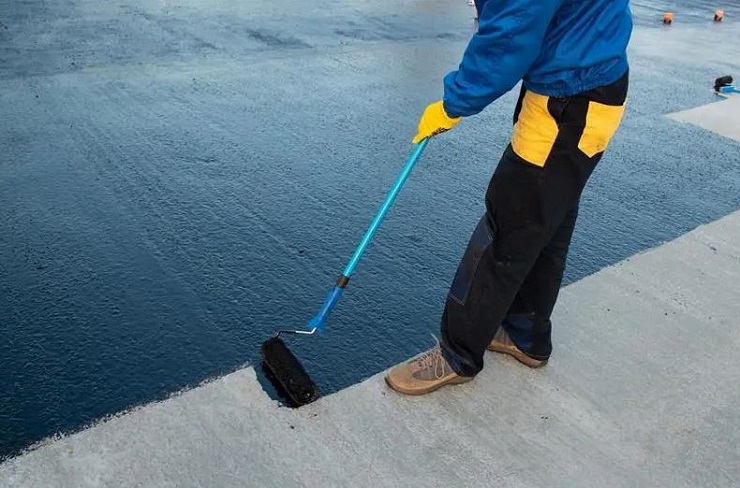
Waterproofing Methods for Different Types of Foundation Materials
Concrete Foundations
Concrete is one of the most commonly used foundation materials. While it is strong and reliable, it is still porous and can absorb moisture over time. If left untreated, this moisture can cause cracks and allow water to seep inside the basement.
For concrete foundations, the best waterproofing method is using a liquid membrane. This is applied on the outer surface of the foundation and forms a continuous, flexible coating that prevents water from entering. It is important to apply the membrane over a clean and dry surface. Additionally, installing a drainage board or adding exterior drainage pipes can help redirect water away from the foundation.
Block or Brick Foundations
Block and brick foundations have mortar joints that can allow water to pass through easily. Over time, these joints may weaken, and water can seep in through the cracks.
The most suitable waterproofing method for this type of material is a combination of cementitious coating and exterior waterproofing membranes. Cementitious coatings are easy to apply and work well with masonry surfaces. When combined with a membrane, you get a double layer of protection that increases water resistance.
Stone Foundations
Older homes may have stone foundations, which are more vulnerable to moisture due to irregular shapes and loose mortar between the stones. Water can easily make its way through these small gaps, especially if the foundation is below ground level.
In this case, applying a breathable waterproofing barrier such as a vapor-permeable sealant works best. This allows moisture inside the stone to evaporate without letting water from the outside come in. You can also use hydraulic cement to fill in the wider gaps between the stones.
Wood Foundations
Although not very common, some homes may have wood foundations. These need strong protection from moisture as wood can rot, warp, or attract pests if it stays wet for too long.
The most reliable method for waterproofing wood foundations is using a heavy-duty sheet membrane or bituminous coating. These coatings provide a solid barrier that prevents water from reaching the wood. In some cases, builders also install plastic sheeting or vapor barriers on both the exterior and interior sides for additional safety.
Waterproofing and Local Expertise
In regions with high humidity or heavy rainfall, waterproofing becomes even more critical. If you’re based in areas like Valencia, where climate conditions can affect building structures, it’s helpful to consult with specialists in impermeabilizaciones Valencia. These professionals can inspect your property and recommend the most effective approach based on local conditions and the type of foundation you have.
Final Thoughts
Every foundation material has its strengths and challenges when dealing with water. The right waterproofing method can protect your home from long-term issues such as mold, wall damage, or basement flooding. By understanding the type of foundation you have and applying the proper waterproofing technique, you can prevent unnecessary problems and enjoy a safe, dry living space.
 Tele Features