In the world of indoor gardening, the role of window treatments like shutters is often overlooked.
However, plantation shutters can significantly impact the growth and health of indoor plants. Understanding this relationship can help you create a thriving indoor garden.
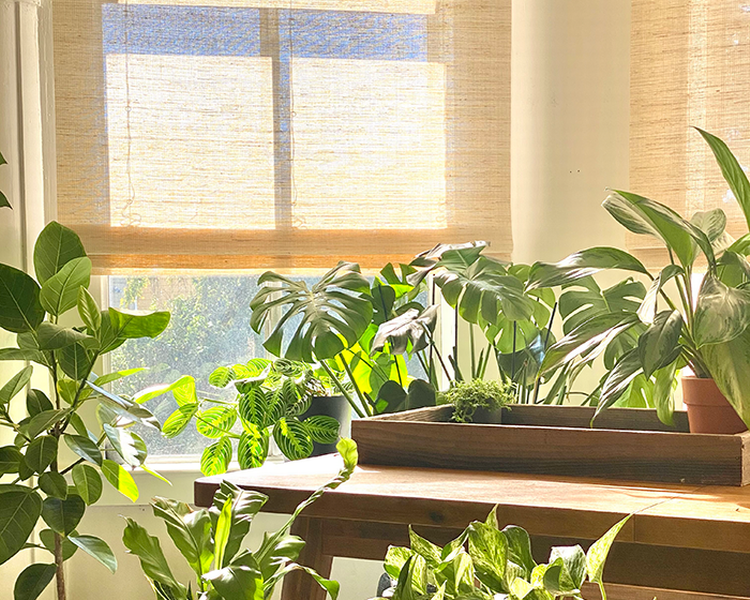
Light Regulation and Temperature Control: Enhancing Plant Growth with Shutters
Controlled Sunlight Exposure
- Tailoring Light for Plant Needs: Different plants require varying amounts of sunlight. Some thrive in bright light, while others prefer shadier conditions. Shutters give you the flexibility to adjust the light intensity according to the specific needs of each plant. By tilting the louvers, you can increase or decrease the sunlight exposure, ensuring that each plant receives the ideal amount of light for its growth.
- Preventing Leaf Burn: Direct sunlight, especially during the peak hours of the day, can be too intense for many indoor plants, leading to leaf burn. Shutters allow you to control the direct exposure, shielding your plants from the harsh midday sun while still letting in enough light for photosynthesis. This careful balance helps maintain the health and vibrancy of your plants.
Diffused Lighting
- Creating Ideal Growing Conditions: Plants that prefer indirect sunlight benefit greatly from diffused lighting. Shutters with adjustable louvers can scatter the sunlight, creating a softer, more evenly distributed light. This mimics the dappled sunlight of a plant’s natural habitat, promoting healthier growth.
- Avoiding Harsh Shadows: Direct sunlight can create sharp contrasts and shadows, which might not be ideal for all plants. Diffused light from shutters minimizes these harsh shadows, ensuring that the light reaches all parts of the plant evenly. This is particularly beneficial for plants with large leaves or those that grow in rosettes.
Temperature and Humidity Control
- Stabilizing Environmental Conditions: Shutters act as an additional layer of insulation for your windows. During colder months, closing the shutters can help keep the cold out, maintaining a warmer and more stable environment for your plants. Conversely, in the summer, shutters can block out excessive heat, keeping the indoor temperature cooler and more comfortable for your plants.
- Managing Humidity Levels: Many houseplants, especially tropical varieties, thrive in higher humidity. Shutters can help maintain a more consistent humidity level by reducing drafts and sudden temperature changes. This stable environment helps prevent stress in plants, which can be caused by fluctuating humidity and temperature levels.
Ventilation
- Promoting Healthy Airflow: Good air circulation is crucial for plant health. It helps prevent the buildup of moisture on leaves, which can lead to fungal diseases. By adjusting the shutters, you can control the airflow around your plants, ensuring that they receive fresh air while still being protected from strong winds or drafts.
- Reducing Pest Risks: Proper ventilation also plays a role in pest management. Stagnant air can create a breeding ground for pests like spider mites or aphids. By using shutters to regulate air movement, you can create an environment that is less conducive to pest infestations, keeping your plants healthy and pest-free.
Aesthetic Integration and Protection: Enhancing Indoor Gardens with Shutters
Aesthetic Integration
- Creating a Harmonious Green Space: Shutters can significantly boost the visual appeal of your indoor garden. By selecting shutters that complement both your plants and your home’s interior design, you create a cohesive and attractive green space. This integration of nature and design not only enhances the aesthetic value of your room but also contributes to a serene and inviting atmosphere.
- Framing and Highlighting Plant Displays: Consider using shutters as a backdrop to showcase your indoor plants. The right shutter color and style can frame your plant collection, turning it into a striking focal point of the room. This approach not only draws attention to your plants but also adds depth and character to your living space.
Protection from External Factors
- Shielding Plants from Harsh Weather: Window Shutters provide a protective barrier against external elements like strong winds and heavy rain. This protection is particularly important for delicate or sensitive plants that might be adversely affected by extreme weather conditions. By controlling the exposure to these elements, shutters help ensure the longevity and health of your indoor plants.
- Guarding Against Pests: In addition to weather protection, shutters can also act as a deterrent to pests. By keeping windows securely covered, shutters can prevent insects and other pests from entering your home and affecting your plants. This added layer of defense is especially beneficial for plants placed near windows.
UV Protection
- Filtering Harmful Rays: Some shutters are specifically designed to block harmful UV rays while still allowing the beneficial spectrum of light to reach your plants. This selective filtering is crucial for protecting both your plants and your interior furnishings from potential UV damage. It ensures that your plants receive the light they need for photosynthesis without the risk of sunburn or fading.
- Preserving Plant Health and Color: By filtering out excessive UV light, shutters help maintain the vibrant colors and health of your plants. This is particularly important for variegated plants or those with sensitive foliage. The right amount of light, without the damaging UV rays, can make a significant difference in the growth and appearance of your indoor garden.
Conclusion
Shutters are more than just a window covering; they play a significant role in the health and growth of indoor plants.
By offering control over light, temperature, and humidity, shutters can create an optimal environment for your plants to thrive.
Additionally, they add an element of style to your indoor garden, making it an integral part of your home’s decor.
Whether you are a seasoned indoor gardener or just starting, considering the impact of shutters on your plants is a step towards a healthier, more vibrant indoor garden.
 Tele Features