In the realm of high fashion, authenticity and brand heritage have traditionally held the throne, commanding awe and reverence—and rightly so. But there’s a new contender subtly climbing the ranks: first copy bags, a term that euphemistically describes near-identical replicas of designer handbags. Their ascent is not just a trend but a movement that’s shaking the very foundations of the fashion industry. So, what do the experts have to say about this phenomenon? Let’s delve into the nuanced perspectives that paint the broader picture of this controversial uprising.
The Allure of Accessibility
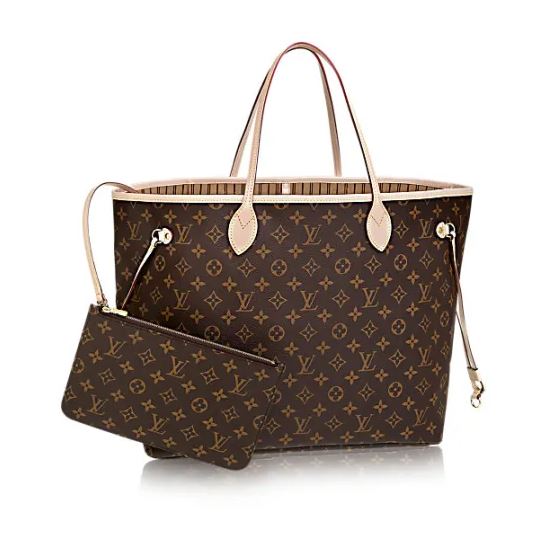
Fashion experts acknowledge a straightforward fact: first copy bags have surged in popularity due to their accessibility. The average fashion enthusiast can flaunt a bag that mirrors a thousand-dollar design for a fraction of the price. As economic stratification widens, these replicas offer a taste of luxury to those who can’t justify the expense of a genuine designer piece.
Critics might see this as an erosion of exclusivity, but some fashion commentators argue that it’s a democratic expansion of beauty and style. After all, the appreciation for design doesn’t hinge on the depth of one’s pockets. In this light, first copy bags are seen as leveling the playing field, allowing a broader audience to engage with fashion trends.
Quality and Craftsmanship
Surprisingly, not all experts are dismissive of the quality of first copy bags. The rise in their popularity has pushed manufacturers to master the art of mimicry, often to a degree that can make distinguishing them from the real deal a challenge for the untrained eye. The craftsmanship, it seems, is not exclusive to luxury brands anymore.
However, purists and designers maintain that the intangible essence of luxury is missing in replicas. The narrative woven into the fabric of an original designer bag, the history, the artisan’s touch, the very soul of the brand—these, they argue, cannot be replicated.
Ethical Considerations
Ethics form a significant part of the conversation. Fashion experts decry the intellectual property theft inherent in producing first copy bags, emphasizing that it undermines the creativity and effort of designers. Moreover, the lack of transparency regarding the manufacturing conditions of replicas often suggests that fair labor practices may be compromised. The fashion industry is already scrutinized for its environmental and ethical footprint, and the rise of first copy bags adds another layer to this complex issue.
Environmental Impact
Sustainability advocates within the fashion industry point out that first copy bags can exacerbate environmental problems. These bags, often produced quickly and cheaply, may contribute to the fast fashion crisis, with low-quality copies ending up in landfills at an alarming rate. However, there’s an argument to be made that if produced responsibly and with quality in mind, first copy bags could potentially offer a more sustainable alternative to the incessant churn of seasonal trends.
The Brand Perspective
For luxury brands, the proliferation of first copy bags is a clear threat, not just in terms of lost revenue but also regarding brand dilution. When the market is flooded with replicas, the exclusivity and allure of owning an “original” can diminish. In response, many brands have invested heavily in anti-counterfeiting technologies and legal actions, while also reinforcing the narrative that true luxury cannot be replicated.
The Future of Fashion
As the conversation evolves, some forward-thinking fashion experts suggest that the rise of first copy bags could force the industry to rethink its value proposition. It might no longer be sufficient to sell a brand name; innovation, sustainability, and an authentic brand story might become the new currency of luxury.
Furthermore, there’s an undercurrent of belief that the fashion industry could take a cue from the replica phenomenon, making genuine designer pieces more accessible or offering different tiers of products without compromising the brand’s essence.
In Conclusion
The rise of first copy bags is a multifaceted issue that has garnered a spectrum of reactions from the fashion community. While they offer accessibility and challenge the industry in new ways, they also pose ethical and environmental concerns. As this debate continues, one thing is clear: The fashion world is at a crossroads, and its stakeholders—designers, consumers, and experts alike—are part of a crucial dialogue that will shape its future. Whether the industry views this uprising as a threat or an opportunity for evolution will determine the trajectory of high fashion in the years to come.
 Tele Features